


How to motivate your teams with the OKR method?
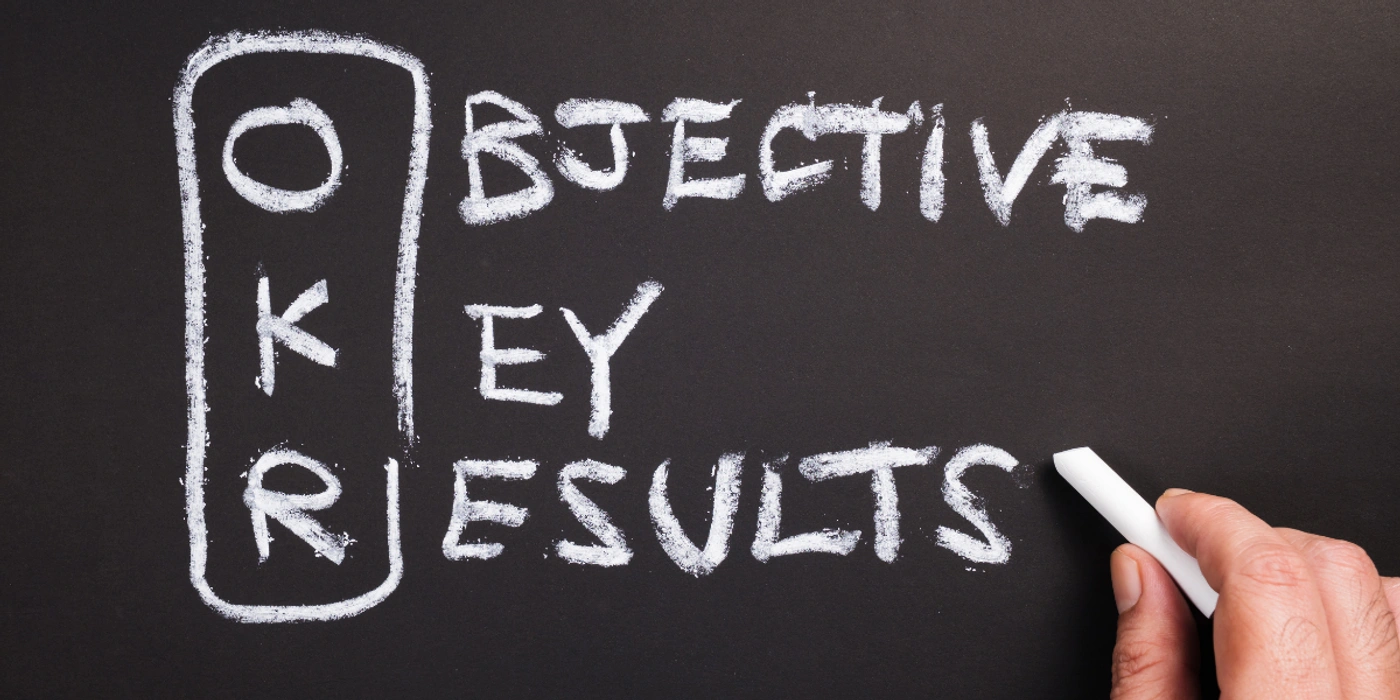
How to get your teams to collaborate towards ambitious objectives? How to maintain motivation in the workplace? A growing number of organizations are turning to the OKR method! This management method originated in the 1950s in the United States. Since then, it has continued to appeal to companies, enabling them to achieve collective results and faster growth than their competitors through this model. So, how do you implement the OKR method and what are its benefits?
What is the OKR method?
Definition
OKR stands for "Objectives and Key Results". It is a management method based on two actions. One is the setting of ambitious objectives, and the other is the measurement of key results. In other words, the objectives indicate the company's mission and the direction it wishes to take in the coming years. They must be pursued by all teams through an implemented strategy. Thanks to this strategy, several tasks can be defined and associated with objectives and measurable results. All these tasks must achieve the company's major objective.
A bit of history
It was Intel's co-founder and CEO, Andrew Grove, who propelled this method in the 1970s. At the time, Grove noticed that the methods used until then failed to keep up with the speed and growth of Silicon Valley companies. The OKR method allowed him to motivate his team to transform his small company into a tech giant. In 1985, John Doerr, one of Google's early investors, attended a lecture given by Andrew Grove in which he presented the OKR method. In turn, he passed on the OKR method to Google's two founders: Larry Page and Sergey Brin. Since then, the method has remained at the heart of Google's operations, and other major groups have adopted it: Twitter, LinkedIn, Netflix, etc...
Create your account to read the rest
All it takes is an email address. You get access to all our articles and can apply to all our impact jobs.
- How to use the OKR method?
- Why use the OKR method?