


"Being green is impossible"
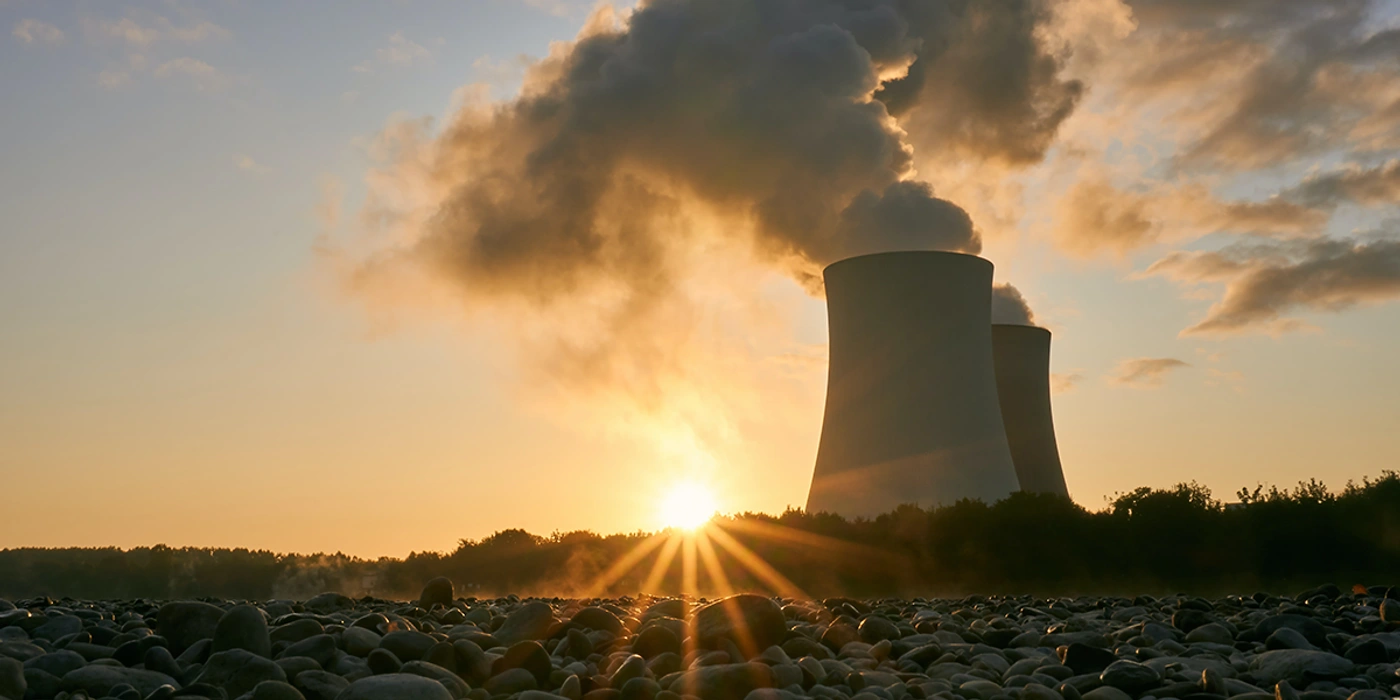
The climate emergency is here, that's a fact. We see that mentalities are gradually changing and individuals are becoming aware of the ecological disaster we are witnessing. However, we often hear about the famous "small everyday gestures" that would have a colossal impact. But how do we adopt these actions into our habits when we are facing mega-polluters like the oil industry? Our individual actions can make a difference, but it is interesting to measure them to realize their impact. Faced with this dissonance, it may seem that being green seems impossible...
Ecology, context and paradox
The 21st century is decidedly one of awareness, at all levels. Young and old alike are changing their consumption habits with the aim of almost perfect eco-responsibility. In the same way, more and more companies are changing their policies and adopting a more sustainable vision. This trend has undoubtedly been amplified by the publication of the UN's Sustainable Development Goals (SDGs). Over the next fifteen years, "17 SDGs that are linked to 169 goals must form an action plan to free humanity from poverty and put the planet back on the path to sustainability". These are as much individual responsibilities as institutional ones. In fact, a lot of companies are following this trend, but we must remain vigilant in the face of all these initiatives. Indeed, the other side of the coin has a name: greenwashing. We must know how to recognize this and often be wary of large groups which, suddenly, display their new partners everywhere and promote eco-responsible values. Not everyone is ecological...
To find out more: how to recognise greenwashing?
The fight
In the face of this, individual initiatives such as sorting, vegetarianism, second-hand purchases, etc. are praised. Our daily efforts have an impact, that's undeniable. But how do you position yourself in the face of large corporations that, on their own, reduce the efforts of thousands of individuals to smithereens? It is a disturbing situation where we can have the impression that our efforts are in vain and therefore no longer make them. The particular context we are facing forces us to keep a cool head and consider our actions because their impact is real. However, the result is a paradox where we do not really know how to quantify our daily actions while the colossal figures of the greenhouse gas emissions of multinationals are accessible. It's a modern-day David against Goliath, except that in the end, each belligerent collapses.
Our impact
In order to save face, you have to put things in perspective and become aware of the big picture. It is not enough to dwell on a limiting factor or blame a particular global warming actor. Of course, there are countless scandals linked to ultra-polluting multinationals, but we must not lose sight of our individual actions. Because we are all actors in this phenomenon and our actions have consequences on their own scale. We can bring about change without having to make a huge effort. In our daily lives, we may lack perspective or we simply do not have the right tools at our disposal to design our actions. To do this, being informed is our best ally. Thanks to the internet, we have the opportunity to have access to a lot of free, reliable and up-to-date knowledge. For example, the IPCC report of April 4, 2022 is obviously massively relayed by the press. It is also synthesized, popularized, translated, etc. The goal is to make it as accessible as possible so that everyone can have a precise and global understanding of climate issues.
To learn more about the latest IPCC report, read this UN article.
A picture is worth a thousand words
Other tools are also available to us in order to make us realize the weight of our daily actions. For example, ADEME (French organization for the environment and energy management) provides a very relevant infographic (available here) that demystifies some of our consumption habits. In this way, we learn that the purchase of a new television (<40 inches) is equivalent to consuming the equivalent of 374 kg of CO2. That's a little more than a round trip by plane from Paris to Nice.
Being green would be possible...
If until now the tone has been moving from pessimism to realism, we would like to conclude on a positive note. As we have seen, adopting an eco-responsible lifestyle overnight seems like a complex task. However, imposing changes on yourself as you go already seems to be a more achievable goal. We won't make you a list of good actions to adopt because it probably has no limit. We invite you to keep in mind that reaching the rank of supreme ecologist is probably illusory, but above all not to underestimate the impact of our small individual actions . Let's keep our heads up and be aware that we are agents of change.